


How to Decorate an Empty Wall Space: The Art of Curated Interiors
What if your largest, most intimidating wall isn't a void to be filled, but a canvas waiting for a narrative that begins at the floor and climbs to the ceiling? You've likely felt the hollow echo of an unadorned room or the decision paralysis that comes when choosing between generic options. It's natural to fear hanging art too high or misjudging the scale of a console table against a vast expanse. Understanding how to decorate an empty wall space is about more than just covering a surface; it's about creating a soulful focal point that reflects your personal journey.
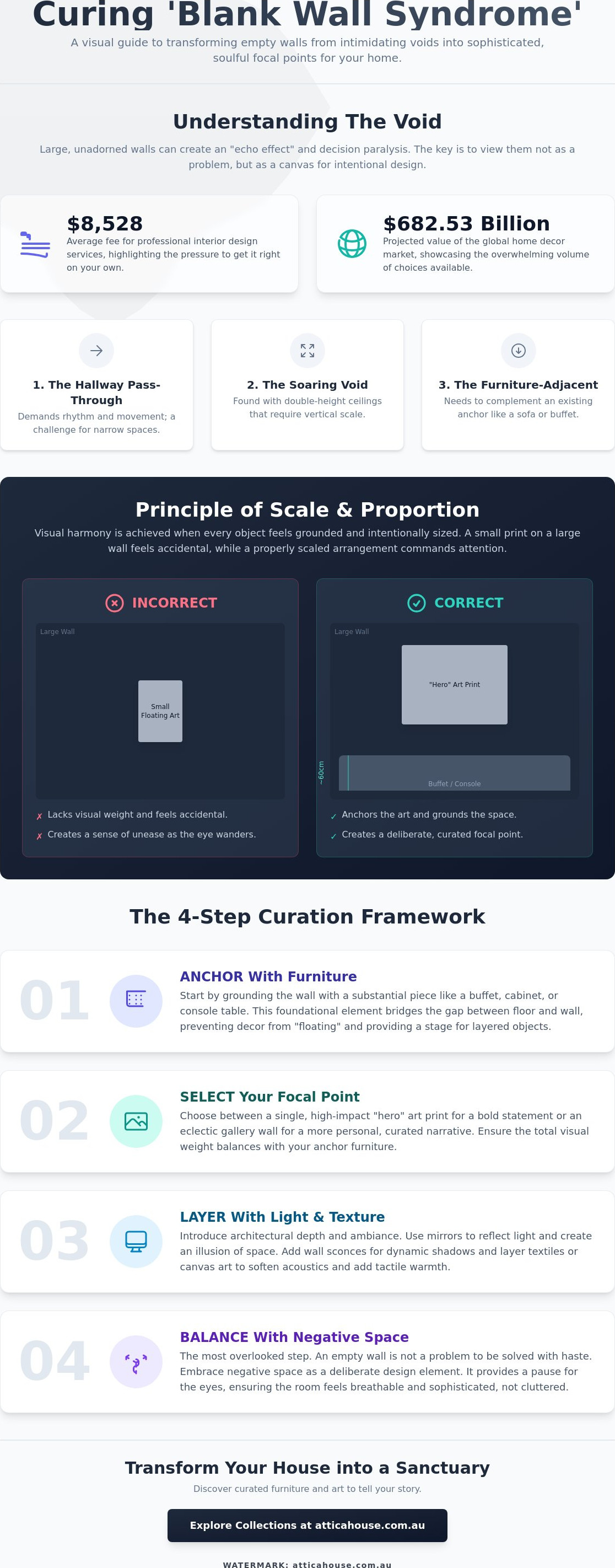
With the global home decor market valued at $682.53 billion in 2026, the sheer volume of choices can feel overwhelming. You don't need to pay the $8,528 average project fee for an interior designer to achieve a professional result. This guide promises to help you transform these silent spaces using refined furniture, statement art prints, and the 2026 trend of the "Everyday Exhibit." We'll explore how to balance scale and proportion, showing you how to layer textures and organic forms to create a sanctuary that feels both sophisticated and deeply personal.
Key Takeaways
- Embrace the power of negative space to ensure your room feels breathable and intentional rather than cluttered or unfinished.
- Discover how to decorate an empty wall space by anchoring your design with a sophisticated buffet or console that grounds the visual narrative.
- Learn to select between high-impact "hero" art prints and eclectic gallery arrangements to create a soulful, curated focal point.
- Understand how to use mirrors and wall sconces to add architectural depth and reflect light into the quieter corners of your sanctuary.
- Gain a clear, step-by-step framework for measuring your space and choosing textures that bring a sense of harmony to vast interiors.
The Philosophy of the Blank Canvas: Why Empty Walls Matter
Walking into a room with expansive, unadorned walls often triggers what designers call "Blank Wall Syndrome." It’s that subtle, persistent anxiety born from the fear of making a permanent mistake or choosing a piece that feels inconsequential against a vast surface. Many homeowners find themselves paralyzed by the "echo" effect of a large room, where every footstep feels amplified by the lack of visual and tactile layers. This hesitation is understandable. When you consider that the national average for professional interior design services reached $8,528 in 2026, the pressure to get it right on your own feels significant.
To master The Philosophy of the Blank Canvas, one must first accept that an empty wall is not a problem to be solved with haste. Instead, we view negative space as a deliberate design element. It provides a necessary pause for the eyes, ensuring the room feels breathable and sophisticated. At Attica House, we identify three distinct types of empty walls that require a tailored approach: the hallway pass-through, which demands movement and rhythm; the soaring void of a double-height ceiling; and the furniture-adjacent wall that needs to complement a buffet or sofa. Our approach, the Attica Method, prioritizes curation over mere decoration. It’s about selecting pieces that tell a story, ensuring your home remains a timeless sanctuary rather than a collection of fleeting trends.
Understanding Visual Weight and Balance
The eye naturally seeks a place to rest as it travels across a room. If a wall lacks a focal point, the gaze wanders aimlessly, creating a sense of unease. Scale is the most critical factor here. A small art print on a sprawling wall feels lost and accidental; it lacks the presence required to anchor the space. Visual harmony is achieved when the weight of your furniture and art is distributed with intentionality, balancing the structured lines of symmetry with the lived-in warmth of an asymmetrical arrangement. Knowing how to decorate an empty wall space begins with respecting these proportions to ensure every object feels grounded.
The Emotional Impact of a Curated Wall
Unadorned walls often feel cold and clinical, stripping a home of its soul. By introducing layers, you transform a house into a sanctuary. Light and shadow play a vital role in this transformation. A well-placed wall sconce or a textured piece of fashion wall art creates a three-dimensional effect that changes throughout the day. Beyond aesthetics, curation serves a functional purpose. Incorporating textiles or canvas art helps soften the acoustic hardness of large rooms, dampening echoes and creating an atmosphere of calm. When you style with intention, you aren't just filling a void; you're crafting an environment that resonates with comfort and quiet luxury.
Anchoring the Narrative: Grounding Your Wall with Furniture
Every masterful wall design begins with a foundation that bridges the gap between the floor and the ceiling. While many guides focus solely on what to hang, true visual harmony requires a grounding element that typically starts around 60cm off the floor. This architectural anchor provides a sense of permanence and intention, preventing your decor from appearing as though it’s floating aimlessly in a void. Understanding how to decorate an empty wall space requires a holistic view of the room's architecture, ensuring the horizontal lines of your furniture complement the vertical expanse of the wall. In contemporary Australian homes, where open-plan living and natural light are paramount, selecting a piece that mirrors the scale of the room is essential for a balanced sanctuary.
The Art of the Buffet and Cabinet
A luxury buffet or cabinet serves as more than just a storage solution; it acts as a pedestal for your most cherished art prints. The top surface becomes a curated stage where you can layer objects of varying heights to bridge the visual gap. Consider placing a tall, slender lamp alongside a stack of linen-bound books and a hand-crafted ceramic vase. These elements create a rhythmic flow that leads the eye upward toward the wall-mounted art. Choosing the right material is key to setting the tone. A marble-topped buffet offers a cool, sophisticated elegance, while a rich timber cabinet introduces a sense of organic warmth that softens the room’s acoustics.
Consoles and Hallway Tables
Narrow pass-throughs often present the greatest challenge, yet they offer the perfect opportunity to create a grand entrance. A slender console table provides a visual anchor for a large-scale mirror, which can effectively "double" the light in a darker corridor. If you’re exploring wall decor ideas to refresh your space, remember that a long, empty corridor doesn't require a single, massive installation. Instead, try creating a series of smaller furniture "moments" that invite the viewer to linger. There is a profound synergy between a sculptural furniture base and a soft wall hanging, as the juxtaposition of hard and soft textures adds immediate depth. To find the perfect piece that speaks to your home's unique story, explore our collection of refined furniture that brings harmony to any empty wall.
The Curator’s Selection: Art and Textiles for Visual Harmony
Once you've anchored your wall with a grounding furniture piece, the focus shifts to the vertical plane. Choosing between a single, large-scale "hero" piece and an eclectic gallery wall depends entirely on the emotional resonance you wish to evoke. A solitary, oversized canvas commands silence and projects a minimalist, high-end gallery aesthetic. Conversely, the "Everyday Exhibit" trend of 2026 suggests that mixing various sizes and mediums creates a more personal, lived-in luxury. Interest in this curated approach is surging, with Etsy reporting an 80% increase in searches for "gallery prints" this year. Understanding how to decorate an empty wall space isn't about filling every inch; it's about selecting pieces with soul that invite the eye to linger.
Fashion Wall Art has emerged as a definitive way to add a contemporary, sophisticated edge to modern interiors. These pieces act as a bridge between high fashion and home sanctuary, offering a polished look that feels both bespoke and aspirational. The frame itself is a critical component of this curation. A high-quality, professional frame doesn't just protect the work; it elevates a simple print into a statement of intent. It provides the structural boundary that allows the art to pop against the wall's texture, ensuring the final result feels "finished" and intentional.
Curating a Sophisticated Gallery Wall
Creating a gallery wall requires more than just a collection of frames. To achieve visual harmony, you must find a common thread, such as a shared color palette or consistent frame material, to unite disparate elements. We recommend mixing traditional wall art prints with three-dimensional objects like decorative mirrors, which saw a 50% search increase in 2026. Before driving the first nail, map your arrangement on the floor. This allows you to adjust the spacing and balance of visual weights until the composition feels rhythmic and steady. This thoughtful preparation prevents the cluttered look that often plagues generic wall designs.
Textiles and Tactile Art
For those managing soaring voids or high-ceilinged rooms, textiles offer an unexpected and deeply evocative solution. Large, handcrafted rugs used as wall tapestries introduce a level of warmth that paint and paper simply cannot match. They provide significant acoustic benefits in open-plan living areas by absorbing sound and softening the visual hardness of large rooms. When selecting a textile, look for patterns that echo the textures of your luxury sofas or armchairs. This creates a cohesive narrative that flows seamlessly from the floor to the ceiling, transforming a cold, empty wall into a tactile sanctuary that celebrates the art of living well.
Architectural Interest: Beyond the Traditional Frame
While art prints and textiles provide color and narrative, architectural elements offer a structural permanence that two-dimensional pieces cannot achieve. Learning how to decorate an empty wall space requires looking at the wall as more than a flat surface. It's a three-dimensional boundary that can be sculpted with light, shadow, and texture. By incorporating millwork or wainscoting, you introduce a sense of "Modern Heritage" that makes a new build feel established and soulful. This approach avoids the cluttered look of floating shelves, which often lack the refined finish required for a luxury sanctuary. Instead, focus on permanent additions that enhance the very bones of your home.
Strategic Mirror Placement
A mirror is perhaps the most versatile tool in a curator's repertoire. By utilizing the "Window Effect", which involves placing a large mirror directly opposite a natural light source, you can effectively double the perceived space and brightness of a room. Whether you choose a minimalist circular form for a contemporary edge or an ornate, vintage-inspired frame for a touch of classicism, the mirror acts as a living piece of art. It’s an essential strategy for those wondering how to decorate an empty wall space in a windowless entryway, creating a focal point where there was once only shadow. When anchored above a console table, as discussed in our furniture grounding section, a mirror provides the height needed to balance the room's proportions.
Sculptural and Lighting Elements
Lighting should never be an afterthought in a curated home. A well-placed wall sconce acts as a piece of functional sculpture, providing a warm "wash" of light that fills an empty wall more effectively than any shade of paint. This glow adds depth and highlights the textures of the wall itself, whether it's the subtle grain of plaster or the intricate patterns of a mural. In modern, minimalist interiors, 3D wall sculptures made of metal or ceramic provide a tactile quality that flat art lacks. These pieces catch the light differently throughout the day, ensuring the space feels dynamic and alive. This interplay of shadow and light creates a sense of movement, making the room feel like a sanctuary from the overstimulation of the outside world. To truly elevate your home's atmosphere, explore our curated collection of chandeliers and lighting to find the crowning jewel for your wall.
Bringing it All Together: A Step-by-Step Curation Guide
Transforming a house into a sanctuary requires a transition from abstract theory to methodical execution. While the previous sections explored the soul and structure of design, this guide provides the repeatable framework needed to master how to decorate an empty wall space with confidence. It’s a rhythmic process that ensures every element, from the heaviest buffet to the lightest art print, exists in a state of visual harmony. By following these five steps, you avoid the common pitfalls of mismatched scales and uncoordinated styles that often lead to decision paralysis.
- Step 1: Measure and assess the void. Don't rely on guesswork. Use a measuring tape to define the exact dimensions of your canvas. Understanding the "void" means acknowledging the surrounding light, the height of the ceilings, and the existing traffic flow of the room.
- Step 2: Choose your anchor. Every wall needs a foundation. Selecting the right luxury furniture piece grounds the space and provides the horizontal line from which your wall story grows. This might be a deep-toned timber buffet or a slender, metallic console.
- Step 3: Define the focal point. Decide on your primary "hero." Whether it’s a singular large-scale fashion wall art piece or a strategically placed mirror, this element should command the eye's first attention.
- Step 4: Layer the details. Introduce the sensory layers. This is where you add wall sconces for a warm wash of light or a handcrafted textile to soften the room's acoustics. These details bridge the gap between the furniture and the art.
- Step 5: The "Stand Back" test. Once your pieces are placed, move to the opposite side of the room. Assess the balance. Does the wall feel "finished" or crowded? Ensure there's enough negative space for the room to breathe.
The Finishing Touches
The final layer of a curated home often involves organic elements that soften the architectural lines. Tall indoor plants, such as a Fiddle Leaf Fig or a sculptural Olive tree, are excellent for filling the corners where walls meet, adding a burst of life to your curation. It’s vital to avoid the "clutter trap" by leaving intentional gaps. Not every inch of a wall needs an object; sometimes, the most sophisticated choice is a moment of silence. Whether you're applying these steps to a grand entryway or looking for luxury bedroom inspiration, the goal remains the same. You're not just filling a room; you're curating a meaningful life. This disciplined approach ensures your home reflects a personal story of sophistication and calm sanctuary.
Crafting Your Timeless Sanctuary
Your home is a living reflection of your journey, and every unadorned surface presents an opportunity to deepen that narrative. We've explored how a foundational piece of furniture provides the necessary weight to ground a room, while the 2026 "Everyday Exhibit" trend encourages a soulful mix of textures and mediums. Mastering how to decorate an empty wall space isn't about rushing to fill a gap; it's about the patient curation of objects that resonate with your sense of beauty and calm. By balancing the architectural lines of your space with intentional layers of light and art, you create a home that feels both finished and deeply personal.
Attica House offers a thoughtfully composed world where high-end aesthetics meet personal comfort. Our collections are curated by the Elegant Curator and feature exclusive designs from Café Lighting & Living, providing the bespoke quality your sanctuary deserves. We facilitate your vision with Australia-wide delivery for all luxury pieces, making sophisticated design accessible from coast to coast. Explore our curated collection of statement wall art and luxury furniture to transform your space. Trust your intuition as you begin to layer your home with harmony, texture, and light.
Frequently Asked Questions
How do I decorate a very large, high wall without it looking cluttered?
To fill a soaring void without creating visual noise, opt for a singular, large-scale hero piece rather than a cluster of smaller objects. Large-scale murals and textured wallpapers have seen a significant rise in 2026 as homeowners seek to treat walls as expansive canvases. This approach respects the verticality of the room while maintaining the calm and clarity of a minimalist sanctuary.
How high should I hang art on an empty wall?
Art should typically be hung so the center of the piece sits at eye level, which is approximately 145cm to 150cm from the floor. When you are determining how to decorate an empty wall space above a buffet or console, ensure there is a gap of 15cm to 20cm between the furniture surface and the bottom of the frame. This proximity ensures the two elements feel connected rather than disjointed.
Can I mix different styles of art on the same wall?
Mixing disparate art styles is a hallmark of a curated, soulful home. You can successfully blend contemporary fashion wall art with traditional sketches by utilizing a consistent frame finish or a shared tonal palette. This creates a rhythmic harmony that feels collected over time rather than purchased in a single transaction, adding layers of history to your interior.
Is it okay to leave a wall completely empty in a luxury home?
Leaving a wall unadorned is often a sophisticated design choice that honors the concept of negative space. In luxury interiors, a blank wall acts as a visual palate cleanser, allowing the eye to rest and appreciate the craftsmanship of a nearby chandelier or designer rug. It’s an intentional pause that prevents a room from feeling overstimulated and clinical.
What is the best furniture piece to put against a long, empty wall?
A buffet or a long console table is the ideal anchor for an expansive wall. These pieces provide a necessary horizontal line that grounds the visual weight of the room. When considering how to decorate an empty wall space, these surfaces also offer a stage for sensory styling with lamps, ceramics, and greenery, bridging the gap between the floor and your art prints.
How do I choose the right size mirror for a blank wall?
The ideal mirror should measure approximately two-thirds to three-quarters the width of any furniture sitting beneath it. If the mirror is standing alone on a blank wall, it should occupy roughly 60% of the wall's width to avoid looking lost. This specific proportion ensures the mirror reflects enough light to effectively double the room’s sense of space and brightness.
Should my wall decor match my furniture exactly?
Your decor should complement your furniture through shared textures and tones rather than matching it perfectly. Exact matches can feel clinical and lack the character of a bespoke home. Try pairing the warm wood of a dining table with the cool, unlacquered metal of a wall sculpture to create a sophisticated, layered environment that feels personal and lived-in.
How do I decorate a wall in a narrow hallway without blocking the path?
In narrow corridors, prioritize depth over physical volume by using large mirrors and shallow console tables. Mirrors reflect the opposite side of the hallway, creating an illusion of width that opens up the pass-through. Wall-mounted sconces are also highly effective as they provide essential mood lighting without occupying any valuable floor space in high-traffic areas.